
La piattaforma di editoria elettronica Riviste elettroniche pubblica, sotto il marchio Pavia University Press, periodici scientifici in formato digitale, con l'opzione del print on demand.
Privacy e cookies
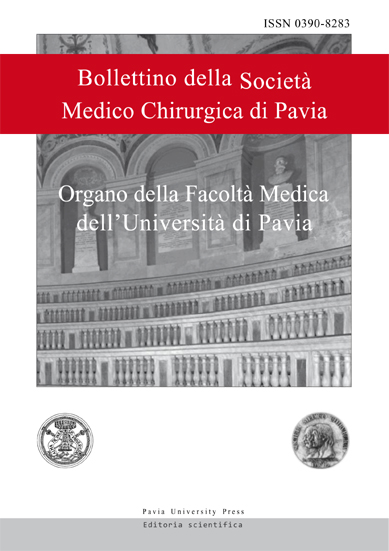
Bollettino della Società Medico Chirurgica di Pavia
Organo ufficiale della Facoltà di Medicina e Chirurgia dell'Università degli Studi di Pavia.
Vai alla rivista | Ultimo numero | Iscriviti
----
Economia Aziendale Online
International Business Review.
URL: www.ea2000.it e www.economiaaziendale.it
Vai alla rivista | Ultimo numero | Iscriviti

Philomusica on-line
Rivista di Musicologia del Dipartimento di Musicologia e Beni Culturali dell'Università degli Studi di Pavia.
URL: philomusica.unipv.it